Risk review platform
Designed an AI-powered risk analysis platform from 0–1, enabling automation that saves $2.8M annually.
Risk review platform
Designed an AI-powered risk analysis platform from 0–1, enabling automation that saves $2.8M annually.
Risk review platform
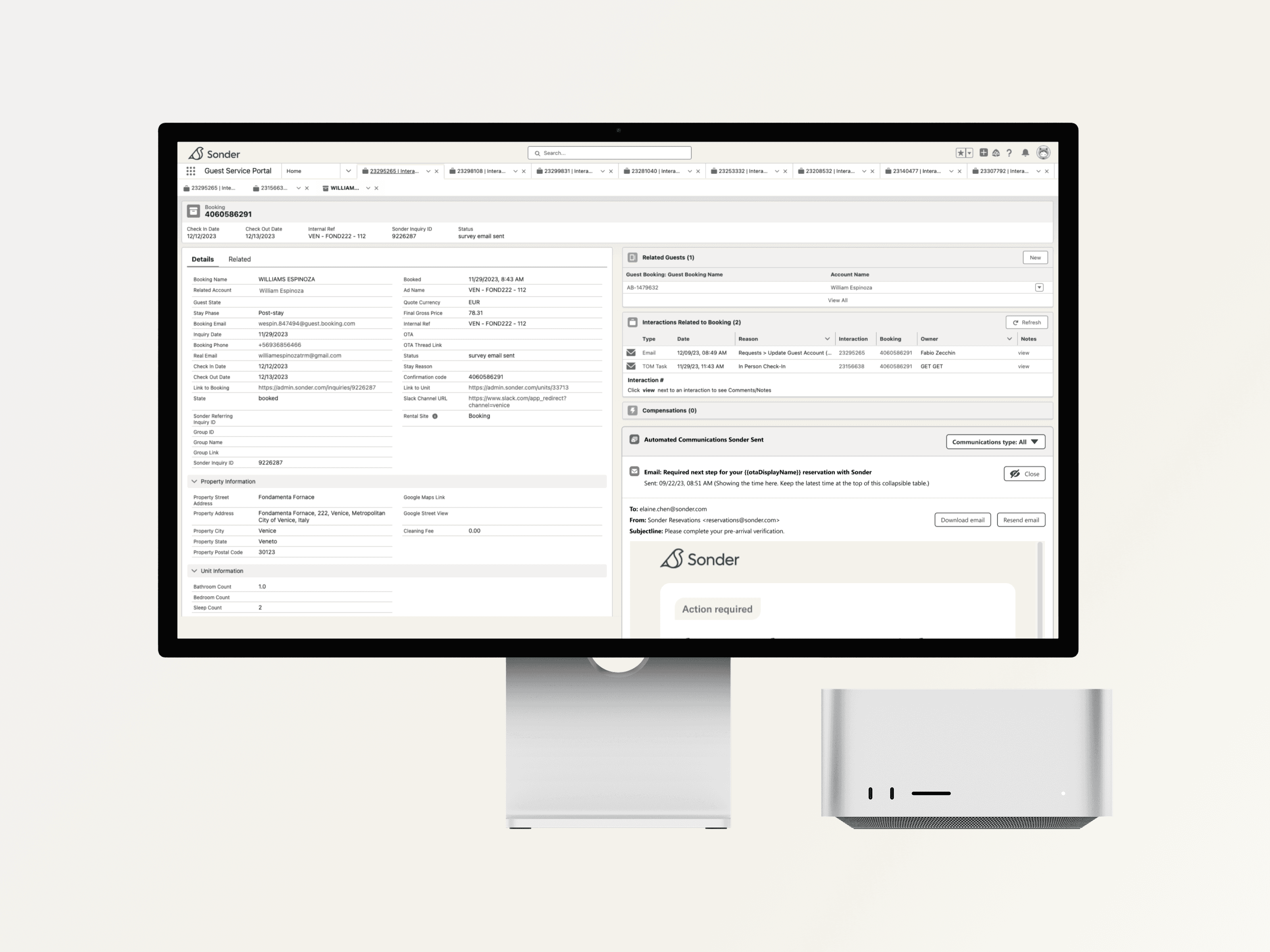
Data centralizaiton
Enterprise platform
Designed an AI-powered risk analysis platform from 0–1, enabling automation that saves $2.8M annually.


Key results
Key results
50
50
50
%
%
%
Reduce assessment time
Reduce assessment time to boost the review efficiency.
Reduce assessment time
Reduced average risk review time from 4 minutes to 2 minutes.
1
1
1
%
%
%
Maintain risk level
Control risk levels to eliminate losses.
Maintain risk level
Working faster doesn’t mean sacrificing decision accuracy—in fact, accuracy improved by 0.2%.
35
35
35
%
%
%
Saving operational cost
Reducing lockouts to lower operational costs.
Saving operational cost
By Q1 2024, we achieved a 35% reduction in manual workload for the risk review team.
KEY RESULTS
CONTEXT
CONTEXT
Why do Sonder’s hotels need risk analysis?
Why do Sonder’s hotels need risk analysis?
Why do Sonder’s hotels need risk analysis?
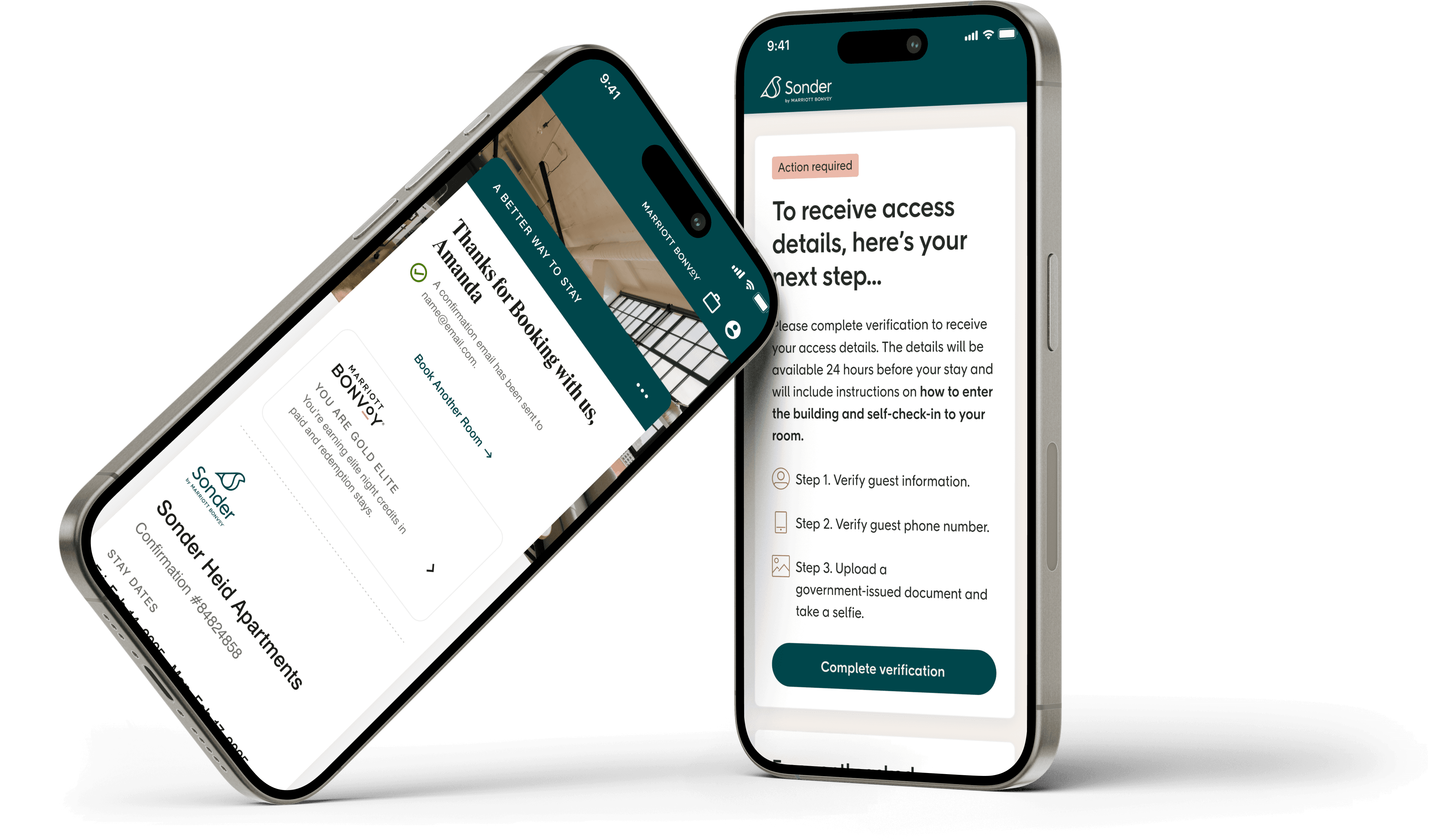
At Sonder, guests skip the front desk and go straight to their room with a digital key. But how do we ensure safety? Guests complete an online verification before arrival.
At Sonder, guests skip the front desk and go straight to their room with a digital key. But how do we ensure safety? Guests complete an online verification before arrival.
DEFINE
Risks analysis flow
Risks analysis flow
Risks analysis flow
When guests submit their verification, the data goes to our internal risk analysis system. The automation tool approves low-risk guests automatically, while mid-to-high risk cases are flagged for manual review.
When guests submit their verification, the data goes to our internal risk analysis system.
Step 1
Step 1
Our risk analysis system receives guest data.
Our risk analysis system receives guest data.
Step 2
Step 2
Automation analysis and approve the low-risks bookings.
Automation analysis and approve the low-risks bookings.
Step 3
Step 3
High-risk bookings go to our manual review platform, where the team decides to approve, reject, or ban guests.
High-risk bookings go to our manual review platform, where the team decides to approve, reject, or ban guests.
CHALLENGE
Since 2022, operational costs have increased, largely due to a rise in support cases—most commonly caused by guests being locked out of Sonder properties.
Since 2022, operational costs have increased, largely due to a rise in support cases—most commonly caused by guests being locked out of Sonder properties.
Since 2022, operational costs have increased, largely due to a rise in support cases—most commonly caused by guests being locked out of Sonder properties.
CHALLENGE

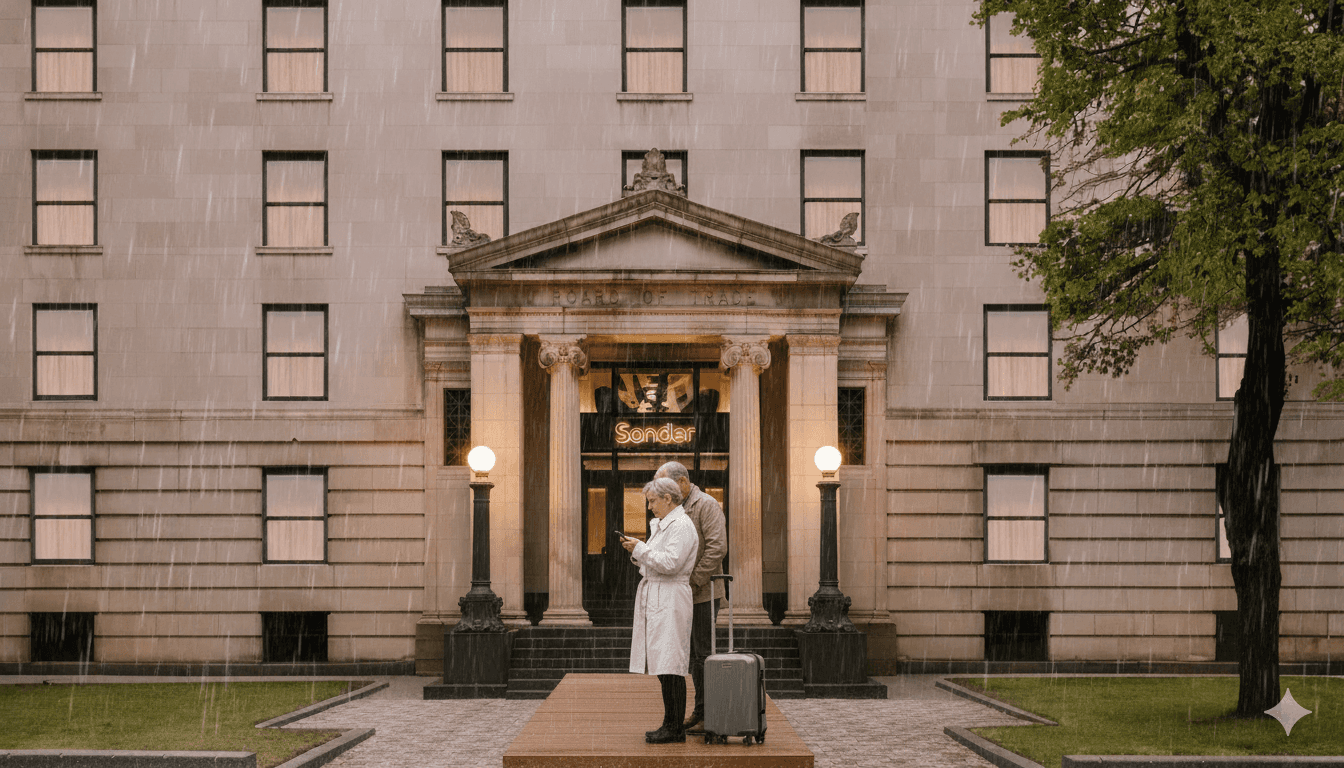

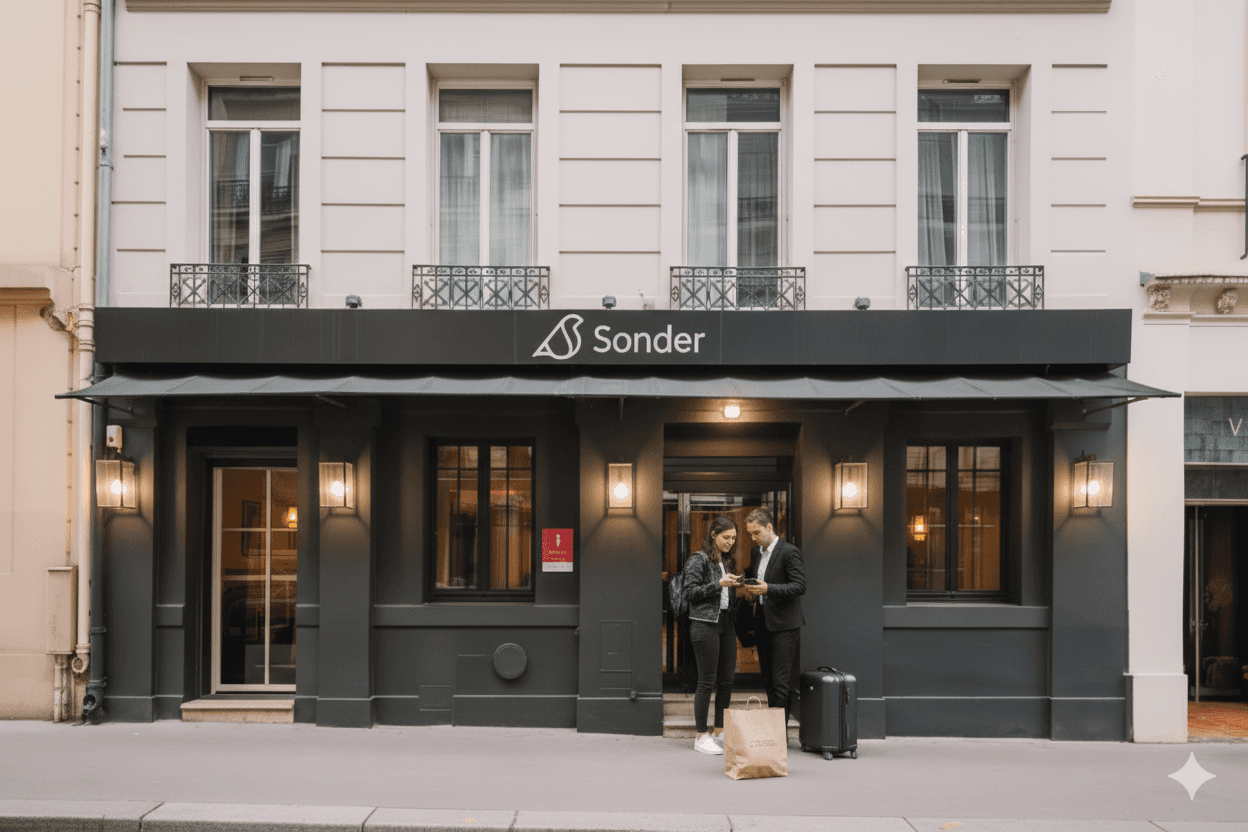
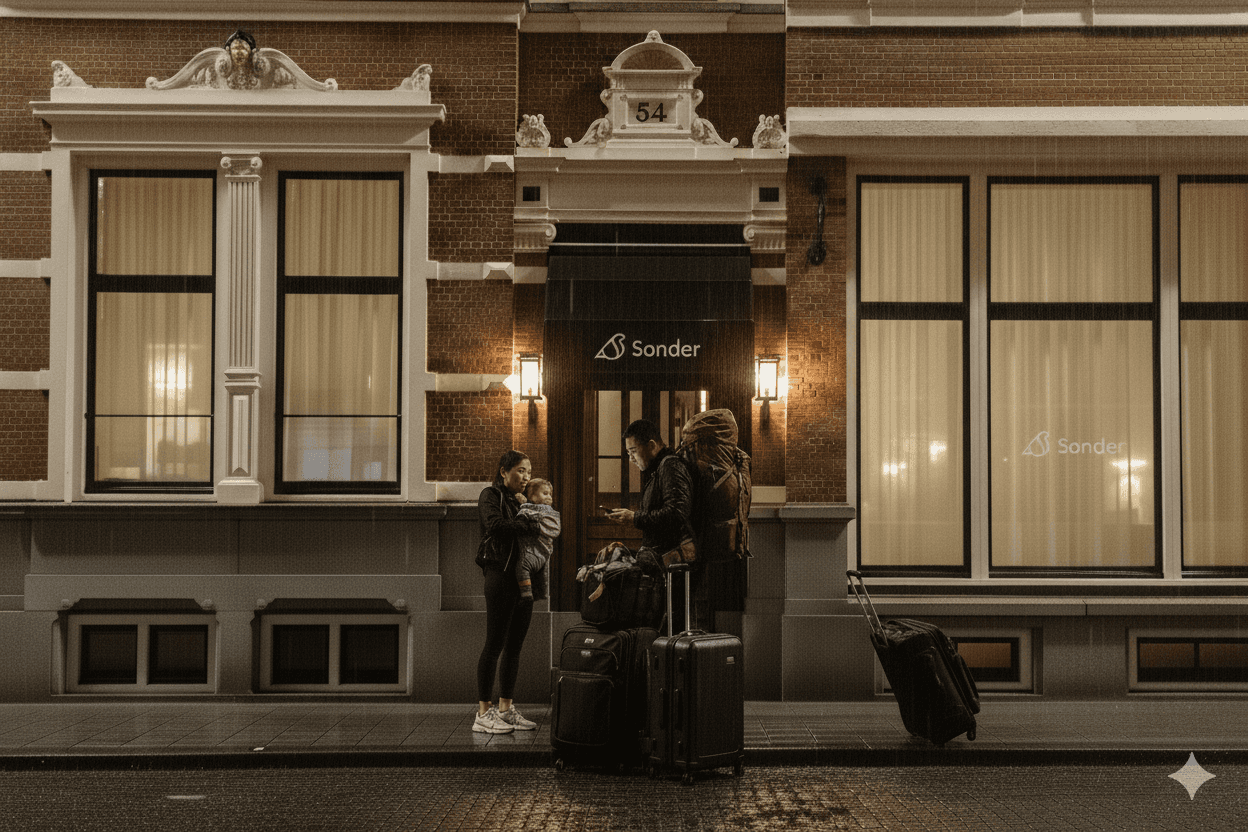

“After a long flight I finally got to the hotel, it was pouring rain and I was locked out at the entrance. When I called, they told me I had to finish some online process. I felt completely lost, stuck dealing with this shxxxx process just to get inside. Never booking Sonder again.”
“After a long flight I finally got to the hotel, it was pouring rain and I was locked out at the entrance. When I called, they told me I had to finish some online process. I felt completely lost, stuck dealing with this shxxxx process just to get inside. Never booking Sonder again.”
— Guest in Barcelona, 2022
— Guest in Barcelona, 2022
GOAL
Create a centralized platform to streamline risk decisions
Create a centralized platform to streamline risk decisions
Efficiency
Build a centralized data hub to support the core risk review workflow.
Introduce purposeful friction in critical decision-making to reduce errors and prevent workarounds.
Clarity
Make information easy to read, scan, and update using familiar patterns and clear hierarchy.
Design intuitive editing interactions to reduce friction and speed up tasks.
Consistency
Build a design system to establish common patterns across all Sonder internal products.
Ensure consistent user interactions for a seamless experience.
IDEATIONS
Design ideation informed by user feedback


Option 1
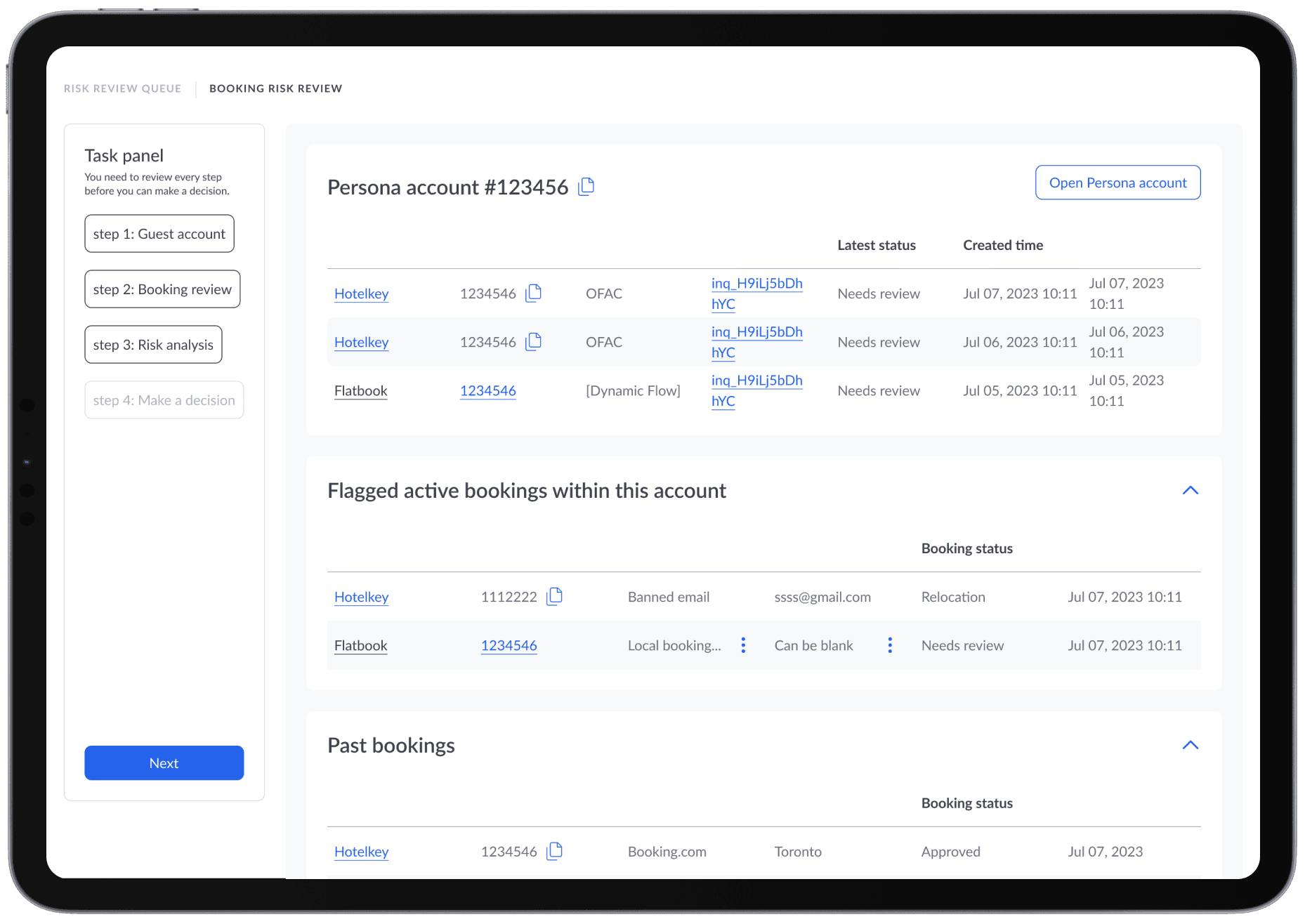
User feedback showed that step-by-step review flow introduced excessive back-and-forth navigation.

We validated that flagged risks helped reviewers assess cases faster without sacrificing accuracy.
Option 2
RELEASED SOLUTION
SHIPPED SOLUTION
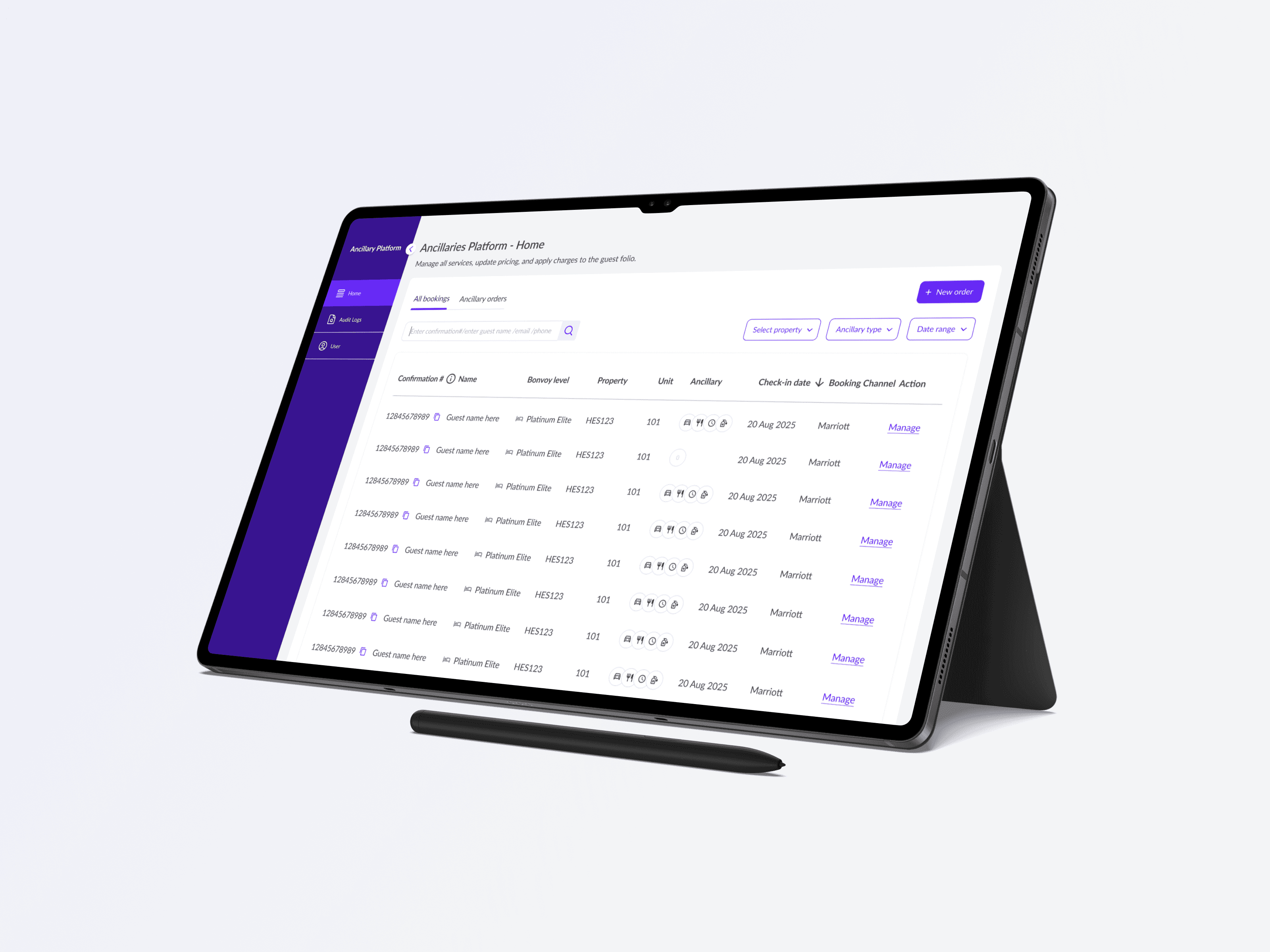
Built the dashboard to increase inquiry allocation productivity by 13%.
DASHBOARD SOLUTION

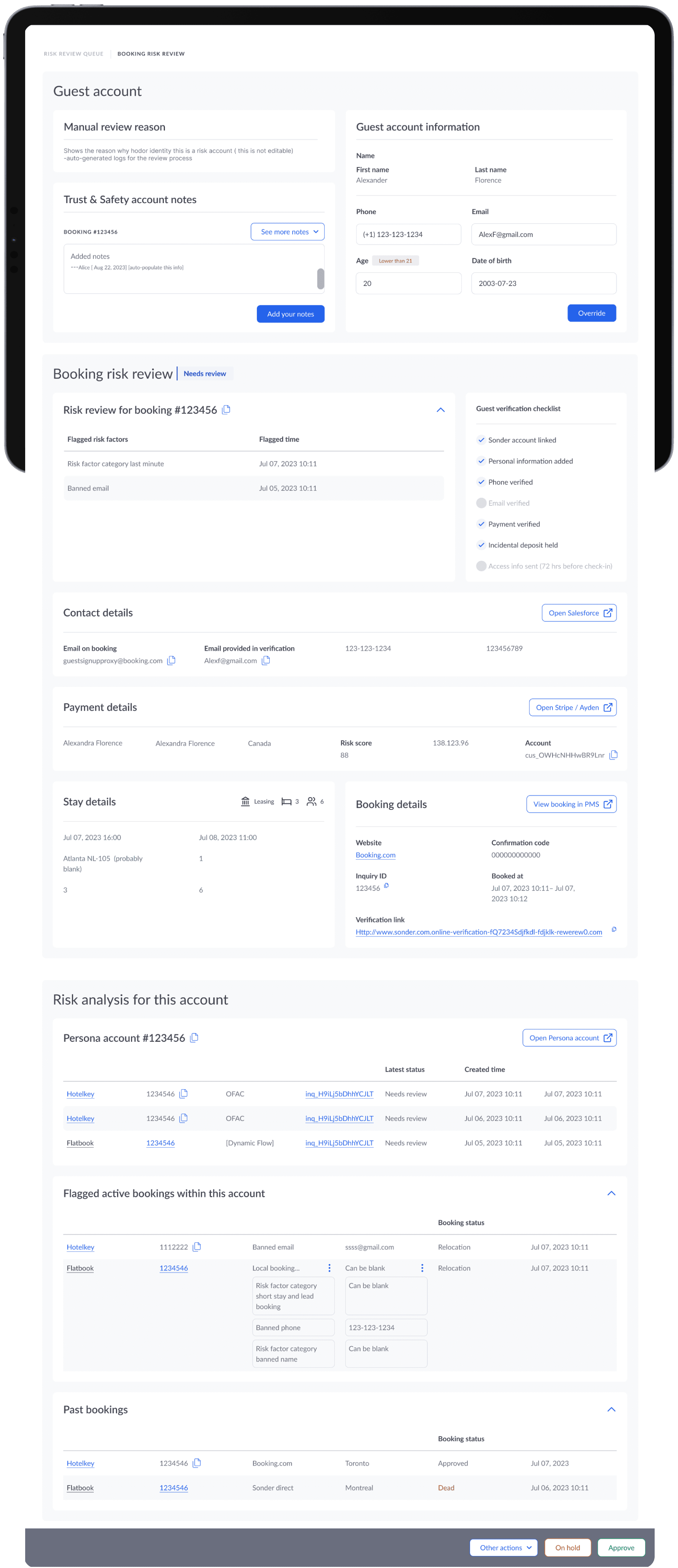
Showing a complete happy path—reviewing a high-risk inquiry now takes only 2 minutes.
FINAL PRODUCT
ACCESSMENT SOLUTION
AI-powered feature that identifies what needs review.
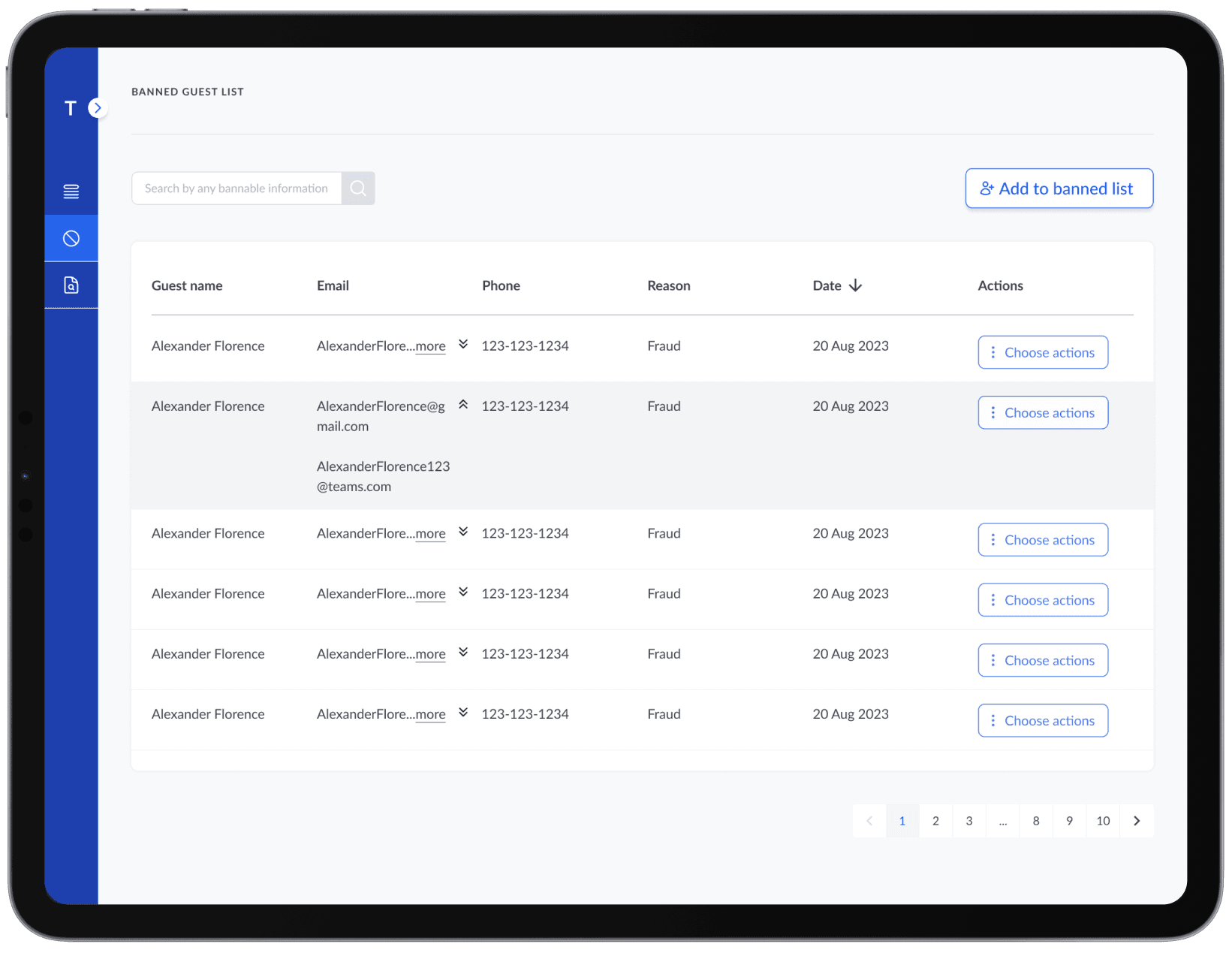
Most subtasks can be done directly, reducing outbound work and task-switching by 43%.
SUBTASK CENTRALIZATION
IDEATIONS
Design ideation informed by user feedback
Option 1
User feedback showed that the step-by-step review flow introduced excessive back-and-forth navigation.
Option 2
3 out of 4 testers focused only on the risk factors and quickly skipped the manual review reason.
Option 3
We validated that flagged risks helped reviewers assess cases faster without sacrificing accuracy.
RELEASED SOLUTION
FINAL PRODUCT
Showing a complete happy path—reviewing a high-risk inquiry now takes only 2 minutes.
FINAL PRODUCT
Showing a complete happy path—reviewing a high-risk inquiry now takes only 2 minutes.
DASHBOARD SOLUTION
Built a dashboard that increased inquiry allocation productivity by 13% by reducing the time to find a booking by 4 seconds.
ACCESSMENT SOLUTION
AI-powered feature that identifies what needs review.

SUBTASK CENTRALIZATION
Most subtasks can be done directly, reducing outbound work and task-switching by 43%.